Many drivers assume factory maintenance must be completed at the dealership, especially while a vehicle is newer or still covered by a warranty. In reality, a qualified independent repair shop can perform many of the same scheduled services when it has access to accurate vehicle information, proper equipment, and trained technicians.
The important details are how the work is performed, which parts and fluids are used, and whether the service is documented. A shop should follow the requirements for the exact engine, transmission, drivetrain, and model year rather than applying one generic package to every vehicle.
Independent Shops Can Access Factory Service Information
Professional independent shops use repair databases, manufacturer procedures, technical service bulletins, and vehicle-specific specifications. These resources provide service intervals, fluid capacities, tightening procedures, electronic reset instructions, and details about specialized systems.
Accurate information is essential because two versions of the same model may have different requirements. One may use a turbocharged engine, all-wheel drive, or a transmission with a temperature-based fluid level procedure. Confirming the vehicle identification number and equipment helps the technician follow the correct schedule.
Which Maintenance Services Can Be Completed?
Independent repair shops can generally handle routine and mileage-based maintenance involving the engine, transmission, brakes, tires, cooling system, steering, suspension, and drivetrain. The exact work depends on age, mileage, service records, and manufacturer guidance.
Common services include:
- Engine oil and filter replacement
- Tire rotation and pressure adjustment
- Engine and cabin air filter replacement
- Brake fluid exchange
- Coolant replacement
- Transmission fluid service
- Differential and transfer case service
- Spark plug replacement
- Drive belt and hose checks
- Battery and charging system testing
- Brake, steering, and suspension checks
Not every item is due at each visit. A responsible shop reviews previous invoices and current mileage before recommending service. Recently replaced coolant or spark plugs should not be repeated simply because the vehicle reached a round-number milestone.
Correct Parts And Fluids Are Essential
Modern vehicles often require specific engine oil approvals, coolant chemistry, transmission fluid, brake fluid, and drivetrain lubricants. Products may look similar or share the same viscosity while using different additives and friction properties.
Replacement parts also need to match the vehicle. Oil filters may have different internal valve settings, spark plugs require the proper heat range and material, and belts must fit the pulley system correctly. An independent shop can use products that meet manufacturer standards without relying exclusively on dealership-branded packaging.
The technician should be able to explain which specification is required and record the products used. Installing an unsuitable fluid or part can affect shifting, lubrication, cooling, emissions equipment, and long-term reliability.
Can Independent Maintenance Affect A Warranty?
Routine service performed outside the dealership does not automatically cancel a vehicle warranty. The work still needs to follow the manufacturer’s schedule and use suitable parts and fluids. Maintenance records become especially important if a covered component fails later.
Keep invoices showing:
- Service date and mileage
- Work completed
- Fluid specifications
- Parts installed
- Inspection results
- Recommended future services
A warranty claim may be questioned when required maintenance was skipped or when an incorrect product contributed to a failure. Detailed records help show that the vehicle received appropriate care. Owners should also review their warranty booklet for any requirements tied to specific systems or coverage plans.
Dealership Tools Are Not Always Required
Some vehicles need specialized tools, scan equipment, software procedures, or electronic service modes. Independent shops often invest in these capabilities so they can work on newer vehicles and advanced systems.
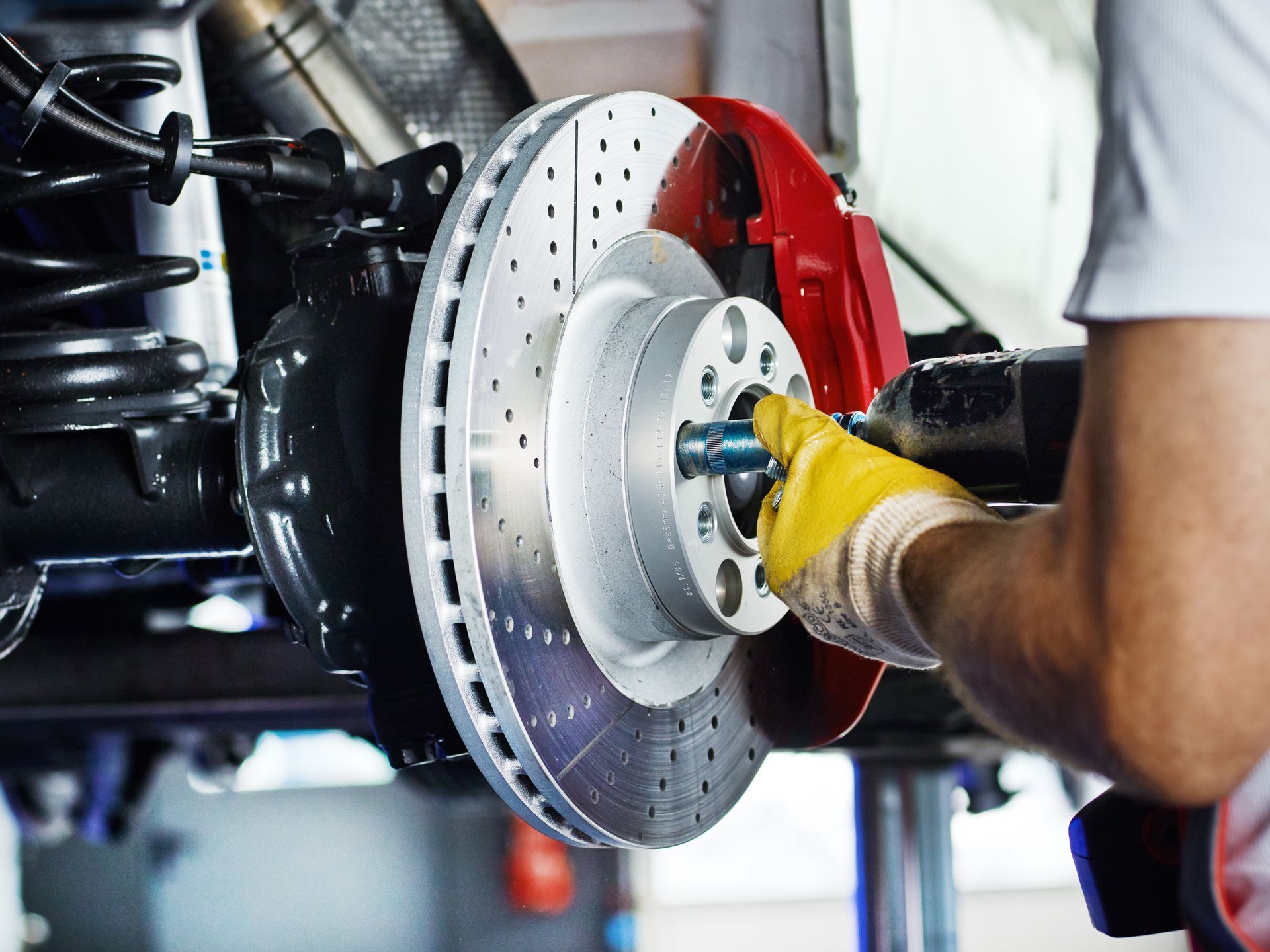
Examples include resetting maintenance reminders, retracting electronic parking brakes, registering a replacement battery, bleeding certain ABS hydraulic units, or checking transmission fluid at a precise temperature. The shop should confirm it has the required equipment and service information before accepting specialized work.
Certain repairs involving manufacturer recalls, warranty-authorized replacements, or proprietary programming may still need to go through the dealership. Scheduled maintenance and ordinary repairs, however, can often be completed by a properly equipped independent facility.
A Local Shop May Provide More Personalized Planning
Independent shops frequently work with the same customers and vehicles over many years. That history can help technicians track fluid services, tire wear, brake measurements, recurring leaks, and parts that are beginning to age.
A useful regular maintenance plan separates immediate concerns from work that can wait. The technician can explain which services are overdue, which are due now, and which should be planned for a future visit. That approach helps drivers avoid replacing usable parts too early while preventing important work from being overlooked.
Condition-Based Repairs Still Need Attention
The factory schedule covers predictable maintenance, but it cannot account for every problem a vehicle develops. A weak battery, damaged tire, leaking water pump, worn brake pad, or loose suspension joint may need repair before its related mileage interval arrives.
A vehicle inspection helps separate scheduled services from current wear. The shop should explain whether a recommendation comes from the manufacturer’s schedule, a measurement, a test result, or visible damage. Clear reasoning makes it easier to prioritize repairs and understand what the vehicle actually needs.
Get Factory Maintenance In Wayne, PA, With D'Avico's Auto Repair
D'Avico's Auto Repair in Wayne, PA, can review your vehicle’s factory schedule, service history, mileage, and driving conditions to determine which services are due.
Contact us to schedule maintenance and receive vehicle-specific care without relying only on dealership visits.