Can Worn Suspension Bushings Change Your Wheel Alignment While You Drive?
October 30, 2026
The alignment was checked, but the car still shifts slightly when you brake or cross a bump. The steering wheel might need a small correction, then settle back again. That kind of movement sends us looking at what holds the wheels in place.
Suspension bushings are part of that job. When the rubber tears or separates, a control arm moves farther than it should. Under load, the wheel angles change even if the readings looked reasonable while the car was sitting still.
Suspension Bushings Allow Controlled Movement
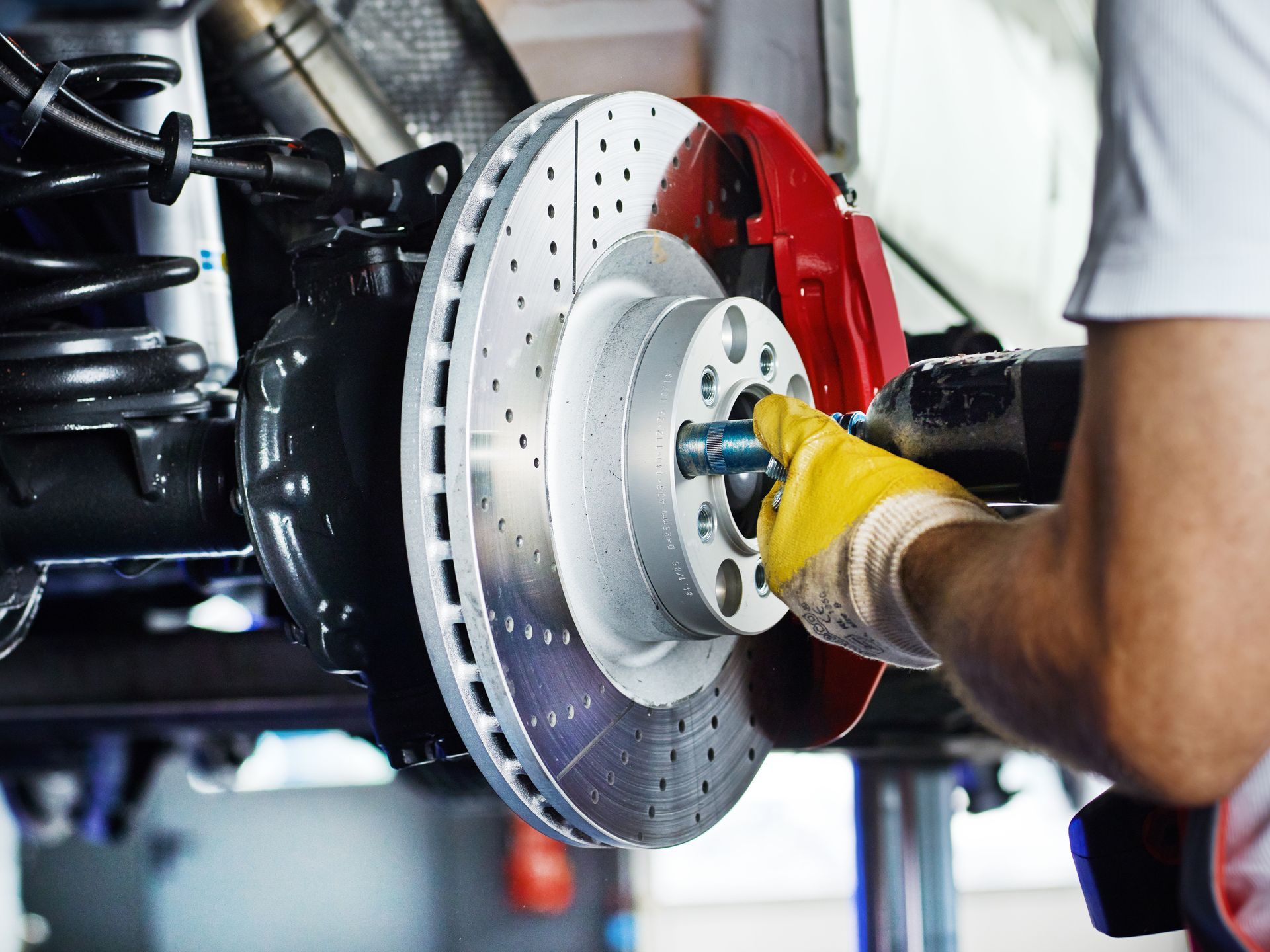
Bushings cushion the connection between suspension arms and their mounting points. They allow the designed movement while limiting unwanted shifting and vibration. Some designs use fluid-filled bushings, and others use solid rubber arrangements, so we identify what's fitted before checking it. Why use rubber in a part that holds a wheel? It helps absorb road harshness without rigidly attaching the arm in every direction. The problem starts when normal flexibility turns into excess movement. A torn bushing no longer holds the arm through braking and cornering as the suspension was designed to work.
Braking Loads Expose Worn Control Arm Bushings
When you brake, forces travel from the tire through the wheel and suspension arms. A badly worn bushing lets the arm shift under that force. You might notice a clunk, a small steering change, or a car that feels unsettled just as the brakes apply.
We compare that complaint with the movement at the arm and check the brakes too. A sticking caliper can also cause pulling, so we don't choose the repair based on steering feel alone. Tell us if the movement happens only during braking or also while coasting over rough pavement.
Why a Stationary Alignment Reading Doesn't Tell Everything
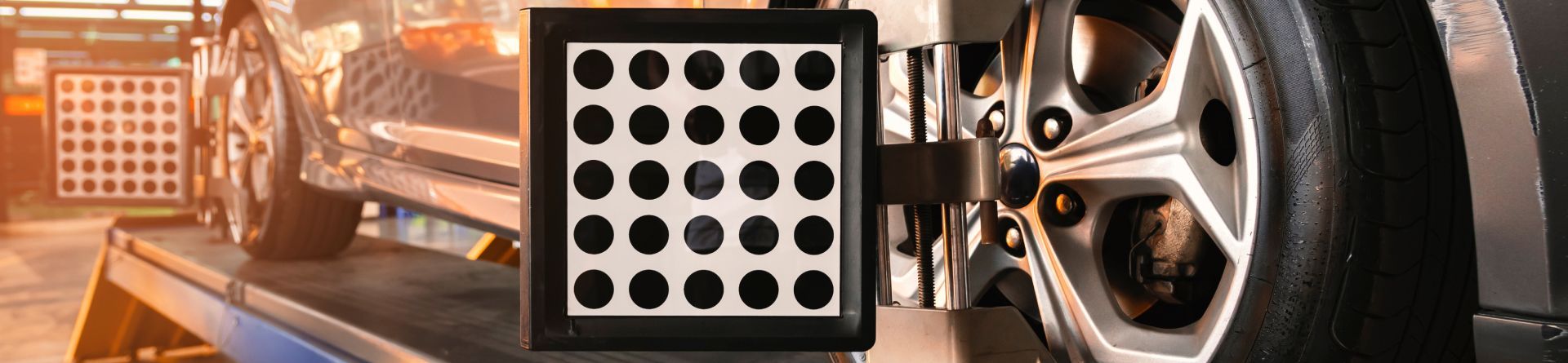
Alignment equipment measures wheel angles under the conditions used during the check. It doesn't hold a torn bushing together once the car is back on the road if the arm moves as the load changes, and toe or camber changes with it.
Can another adjustment fix that looseness? We repair the worn part first, then set the alignment as required. Adjusting around a moving arm lets the wheel shift away from the measured position. That's a frustrating way to spend money on an alignment and still watch the tires wear unevenly.
Uneven Tire Wear Sometimes Starts With Bushings
Tire wear gives us clues, especially if one edge is wearing quickly or the tread feels feathered. Pressure loss, incorrect alignment, and other loose joints also cause wear, so we look at those together. A tire pattern helps choose the checks without naming one failed part by itself.
At home, check cold tire pressure monthly using the vehicle's label. Press a gauge firmly onto each valve, add air as needed, and recheck before replacing the cap. Look for bulges, cuts, or uneven tread while you're there. Leave under-car movement tests to the shop, where we can support and load the suspension safely.
How We Check Suspension Bushing Movement
We inspect the rubber and mounting points, then check movement using the procedure for that suspension. Some bushings are designed with openings or visible gaps, so you need to compare their appearance with the actual design. Excess movement or separation tells us more than an unfamiliar-looking shape.
Details that help during the appointment include:
- Steering changes when the brakes are applied
- Clunks over driveway entrances or small bumps
- Pulling that comes and goes
- Uneven wear on the current tires
- Recent pothole or curb impacts
- Previous alignment or suspension repairs
If the wheel position or steering feels unreliable, stop safely and discuss transport. Another drive to make the clunk louder isn't needed.
Bushing Repairs Need the Correct Installation Procedure
Does every worn bushing need a complete control arm? That depends on the design, available service parts, and the condition of the arm and joints. We explain the repair options for the car in front of us, including any related wear found during the check.
Installation also follows the manufacturer's instructions for fasteners and suspension position. Some bonded-rubber bushings need final tightening at the prescribed ride height. After the repair, we complete the required alignment and check the original driving complaint, so the work addresses more than a torn piece of rubber.
Suspension and Alignment Repair at D'Avico's Auto Repair in Wayne, PA
D'Avico's Auto Repair in Wayne, PA, can check shifting wheel angles, uneven tire wear, and clunks during braking. Bring your last alignment report if it's available.
Arrange a suspension inspection before paying for another alignment adjustment.